

As the world becomes increasingly connected through technology, cybersecurity has become one of the most important aspects of modern life. From online banking and social media to e-commerce and cloud computing, our personal and professional data is constantly stored and shared digitally. While technology offers convenience and innovation, it also introduces serious security risks. Cybercriminals are becoming more advanced, targeting individuals, businesses, and governments through various online attacks. This is why cybersecurity is no longer optional—it is essential. 1. Understanding Cybersecurity Cybersecurity refers to the practice of protecting systems, networks, devices, and data from cyber threats and unauthorized access. It includes: The goal of cybersecurity is to prevent hackers from stealing sensitive information or damaging digital systems. 2. Common Cyber Threats in 2026 Cyber threats are evolving rapidly. Some of the most common attacks include: Phishing Attacks Fake emails or messages designed to trick users into sharing passwords or financial details. Ransomware Malicious software that locks files or systems until a ransom is paid. Data Breaches Unauthorized access to confidential customer or business data. Identity Theft Criminals steal personal information to commit fraud. Malware and Viruses Harmful software designed to damage or disrupt devices and networks. These attacks can result in financial losses, reputational damage, and privacy violations. 3. Why Businesses Need Strong Cybersecurity Businesses store large amounts of customer information, payment details, and confidential data. Without proper protection, cyber attacks can severely impact operations. Strong cybersecurity helps businesses: Even small businesses are becoming targets because cybercriminals often exploit weaker security systems. 4. Cybersecurity for Individuals Individuals are also at risk in the digital world. Social media accounts, banking apps, and personal devices can all become targets for hackers. Here are some important cybersecurity habits: Simple precautions can significantly reduce online risks. 5. The Role of AI in Cybersecurity Artificial Intelligence is now playing a major role in cybersecurity. AI-powered systems can: As cyber attacks become more sophisticated, AI helps organizations improve their defense systems efficiently. 6. The Future of Cybersecurity The future of cybersecurity will focus heavily on: With emerging technologies like IoT, smart devices, and digital currencies, cybersecurity will continue to evolve as a critical global priority. Conclusion Cybersecurity is one of the most important challenges of the digital era. As technology continues to advance, both businesses and individuals must take proactive steps to protect their digital information and privacy. By staying informed, practicing safe online habits, and using modern security tools, we can build a safer and more secure digital future.
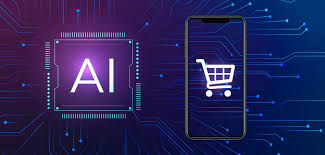
How AI is Transforming the Future of E-Commerce
In today’s digital era, Artificial Intelligence (AI) is no longer just a futuristic concept—it has become the driving force behind modern e-commerce businesses. From personalized product recommendations to AI-powered customer support, online shopping experiences are becoming smarter, faster, and more efficient than ever before. As technology continues to evolve in 2026, businesses that integrate AI into their e-commerce strategies are gaining a significant competitive advantage. Let’s explore how AI is revolutionizing the world of online shopping and what it means for businesses and consumers alike. 1. Personalized Shopping Experience One of the biggest advantages of AI in e-commerce is personalization. AI algorithms analyze customer behavior, browsing history, and purchase patterns to recommend products tailored to individual preferences. Popular online stores use AI to: This creates a more enjoyable shopping experience and increases customer satisfaction. 2. AI Chatbots and Virtual Assistants AI-powered chatbots are transforming customer service by providing instant support 24/7. Instead of waiting for human assistance, customers can get quick answers regarding: Modern AI chatbots can even understand natural language and provide human-like conversations, improving customer trust and reducing support costs. 3. Smart Product Recommendations Recommendation engines are one of the most successful applications of AI in e-commerce. Platforms like online fashion stores, electronics websites, and streaming services use AI to recommend products users are most likely to buy. These systems increase: By analyzing customer interests in real time, AI helps businesses present the right products to the right audience. 4. AI in Digital Marketing Digital marketing has become smarter with AI technology. Businesses now use AI tools for: AI helps marketers understand customer behavior and create highly effective campaigns that improve engagement and return on investment (ROI). 5. Inventory and Supply Chain Management AI also improves inventory management by predicting product demand and reducing stock shortages. Smart systems can analyze market trends and customer buying patterns to optimize supply chains. Benefits include: This helps businesses maintain smooth operations and deliver products more effectively. 6. Voice Search and Visual Shopping With the rise of smart assistants and mobile shopping, voice search is becoming increasingly popular. Customers can now search for products using voice commands instead of typing. Similarly, visual search technology allows users to upload images and find similar products instantly. AI-powered visual recognition is changing the way consumers discover products online. 7. Fraud Detection and Secure Payments Security is a major concern in e-commerce. AI systems can detect suspicious activities and prevent fraudulent transactions in real time. Advanced AI tools help: This creates a safer shopping environment for both businesses and consumers. The Future of AI in E-Commerce The future of e-commerce will continue to be shaped by AI innovations. Technologies like augmented reality (AR), virtual reality (VR), predictive analytics, and generative AI are expected to redefine online shopping experiences even further. Businesses that adopt AI early will likely dominate the digital marketplace by offering smarter services, faster support, and highly personalized customer experiences. Conclusion Artificial Intelligence is revolutionizing e-commerce by making online shopping more personalized, secure, and efficient. From AI chatbots to smart recommendations and automated marketing, AI is helping businesses improve customer satisfaction while increasing profits. As the digital world continues to evolve, integrating AI into e-commerce is no longer optional—it is becoming essential for long-term success.