



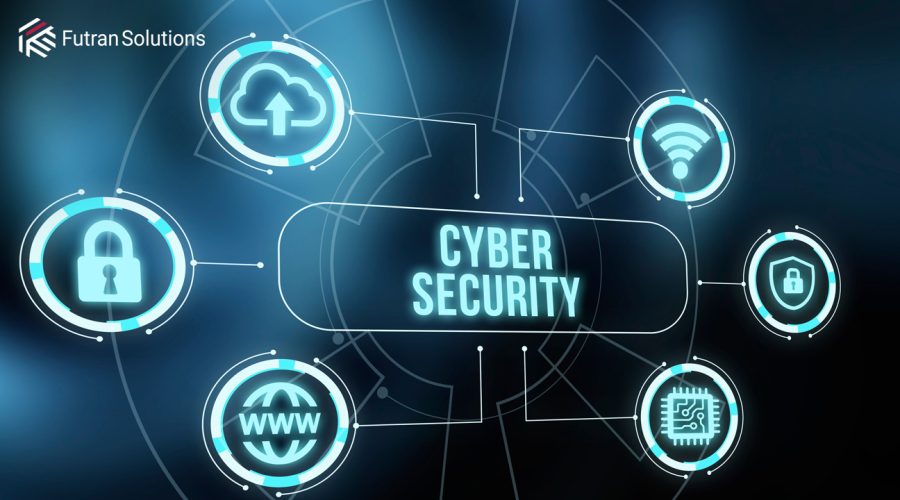
As the world becomes increasingly connected through technology, cybersecurity has become one of the most important aspects of modern life. From online banking and social media to e-commerce and cloud computing, our personal and professional data is constantly stored and shared digitally.
While technology offers convenience and innovation, it also introduces serious security risks. Cybercriminals are becoming more advanced, targeting individuals, businesses, and governments through various online attacks. This is why cybersecurity is no longer optional—it is essential.
1. Understanding Cybersecurity
Cybersecurity refers to the practice of protecting systems, networks, devices, and data from cyber threats and unauthorized access.
It includes:
- Data protection
- Network security
- Application security
- Cloud security
- Password management
- Digital privacy measures
The goal of cybersecurity is to prevent hackers from stealing sensitive information or damaging digital systems.
2. Common Cyber Threats in 2026
Cyber threats are evolving rapidly. Some of the most common attacks include:
Phishing Attacks
Fake emails or messages designed to trick users into sharing passwords or financial details.
Ransomware
Malicious software that locks files or systems until a ransom is paid.
Data Breaches
Unauthorized access to confidential customer or business data.
Identity Theft
Criminals steal personal information to commit fraud.
Malware and Viruses
Harmful software designed to damage or disrupt devices and networks.
These attacks can result in financial losses, reputational damage, and privacy violations.
3. Why Businesses Need Strong Cybersecurity
Businesses store large amounts of customer information, payment details, and confidential data. Without proper protection, cyber attacks can severely impact operations.
Strong cybersecurity helps businesses:
- Protect customer trust
- Prevent financial losses
- Secure sensitive data
- Avoid legal issues
- Maintain smooth operations
Even small businesses are becoming targets because cybercriminals often exploit weaker security systems.
4. Cybersecurity for Individuals
Individuals are also at risk in the digital world. Social media accounts, banking apps, and personal devices can all become targets for hackers.
Here are some important cybersecurity habits:
- Use strong passwords
- Enable two-factor authentication
- Avoid suspicious links
- Keep software updated
- Use trusted antivirus programs
- Never share personal information carelessly
Simple precautions can significantly reduce online risks.
5. The Role of AI in Cybersecurity
Artificial Intelligence is now playing a major role in cybersecurity. AI-powered systems can:
- Detect unusual activity
- Identify threats faster
- Monitor networks in real time
- Prevent fraud
- Automate security responses
As cyber attacks become more sophisticated, AI helps organizations improve their defense systems efficiently.
6. The Future of Cybersecurity
The future of cybersecurity will focus heavily on:
- AI-powered protection
- Cloud security
- Biometric authentication
- Zero-trust architecture
- Blockchain-based security systems
With emerging technologies like IoT, smart devices, and digital currencies, cybersecurity will continue to evolve as a critical global priority.
Conclusion
Cybersecurity is one of the most important challenges of the digital era. As technology continues to advance, both businesses and individuals must take proactive steps to protect their digital information and privacy.
By staying informed, practicing safe online habits, and using modern security tools, we can build a safer and more secure digital future.